
The Living Story of the Powerhouse | Lucy Estergard
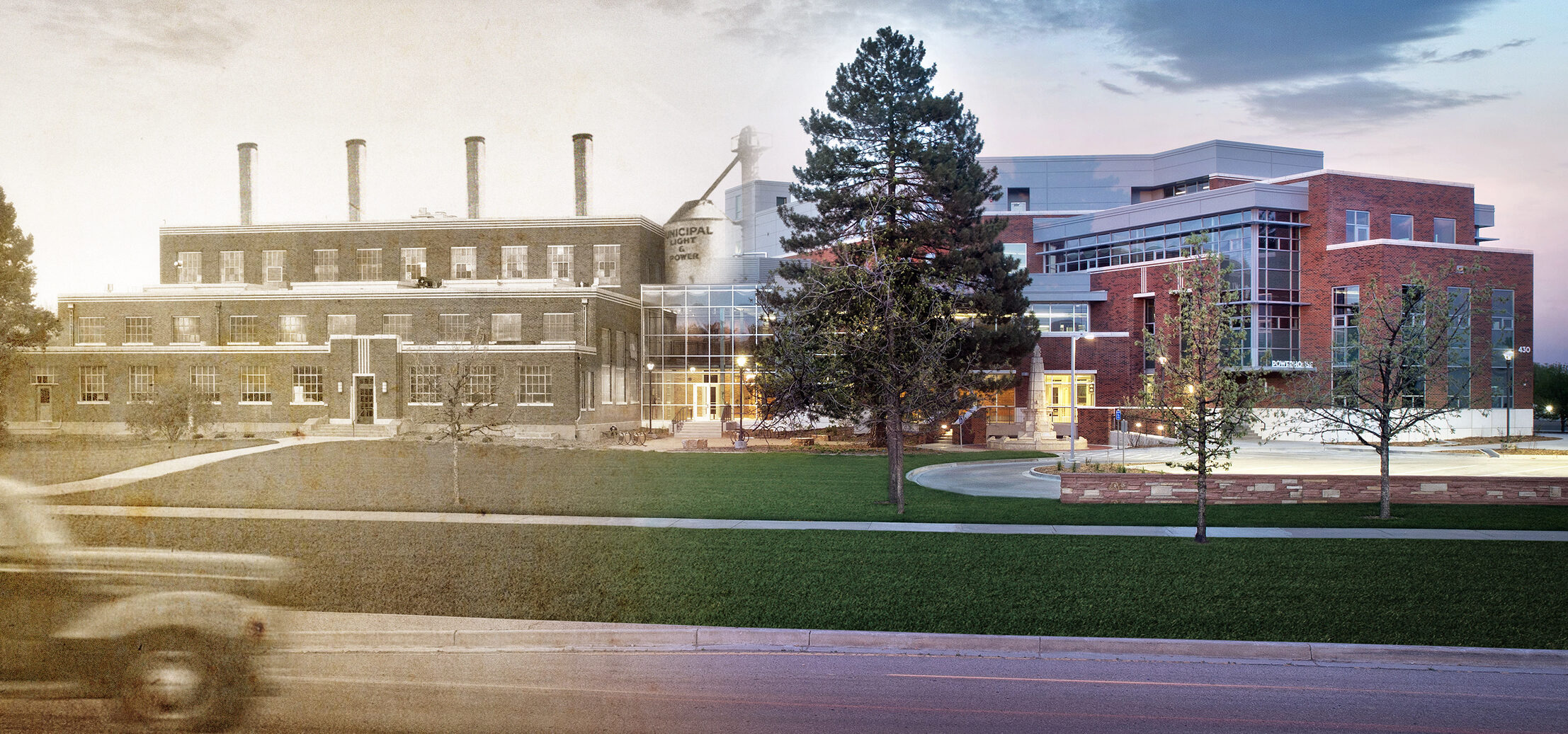
Walking through the halls of the CSU Energy Institute there is a rare blend of research and architectural history. Although the future of energy is developed here, the past still exists in quiet ways throughout the facility.
Long before it became a center for clean energy research, the Powerhouse was used as the Fort Collins Municipal Power Plant. This way to sell low-cost power to Fort Collins residents through the Great Depression stood the test of time and the bones of the repurposed building remind people of its industrial past. The steel beams, brick walls, and open engine rooms are a testament to how energy has always been a part of how communities grow, with the Powerhouse being no exception.
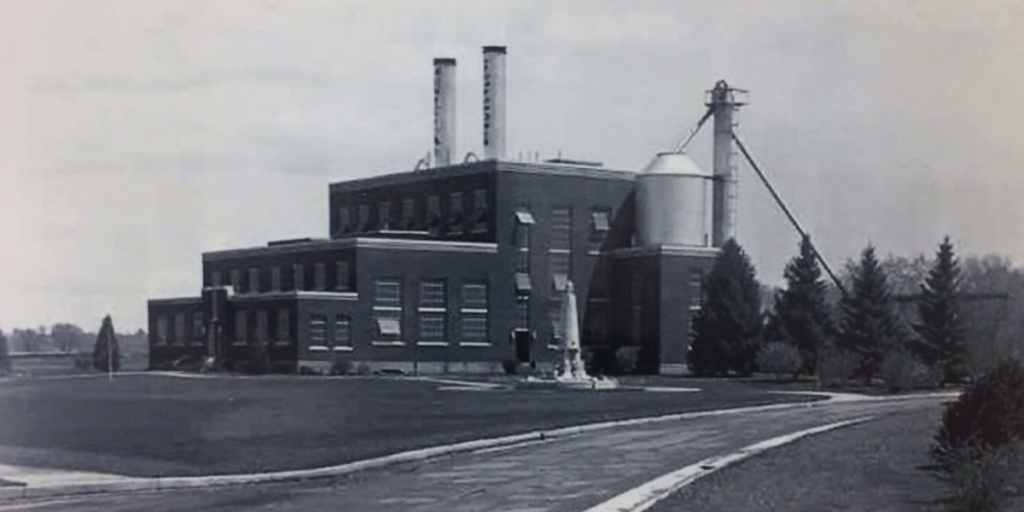

Currently, the former power plant houses the Engines and Energy Conversion Lab which was established in 1992. This lab works to promote innovative energy solutions that achieve global impact and help humanity move towards cleaner energy and is still functional today.
To combat the cooling needs of the power plant’s operation, the City of Fort Collins strengthened the Coy Ditch Diversion and utilized some of the river water for cooling the plant. To reduce pollution of the river from the water exiting the plant, a grotto was constructed in the 1930s to collect the used water. The grotto is heavily landscaped and well-maintained, and still exists as a place of water collection and a landmark of the facility’s rich history.

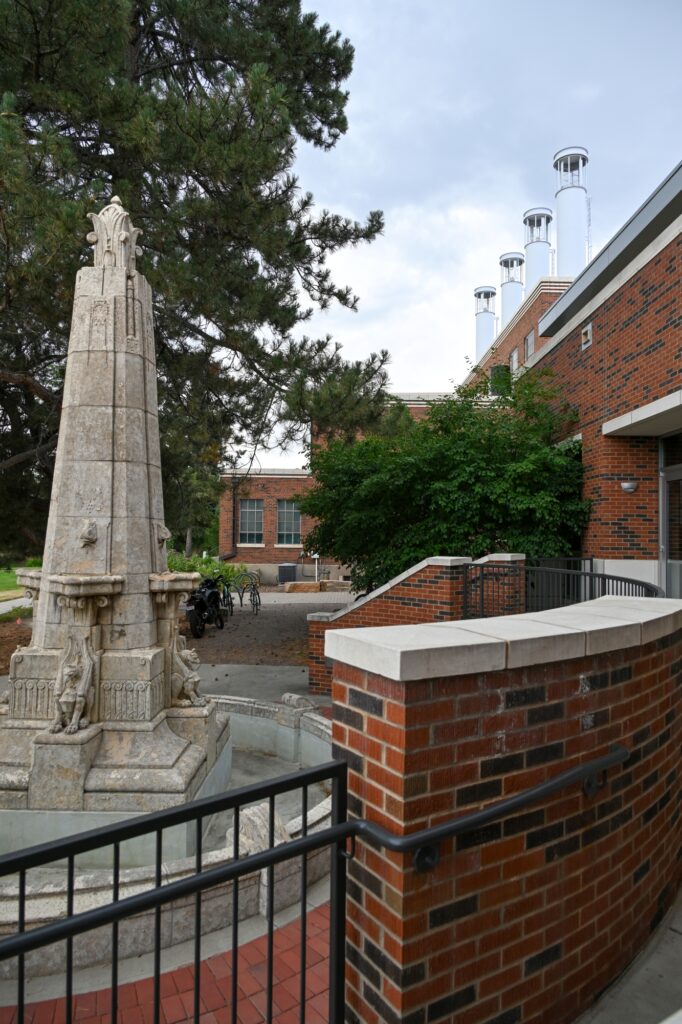
One of the Energy Institute’s most unique features is the terracotta fountain near the entrance. Amidst all the new and impressive technology, it is easy to miss this relic of the original 1930s construction. Even though the building has found new function, the fountain has remained in its place and is in the process of being restored.
The grotto, the fountain, the monument on the grounds, and the portion of the Energy Institute that used to hold the power plant were given local historical landmark status in 1987. This title has not only emphasized the importance of the site, but also reinforced the importance of energy research and the architectural style used in construction.